Biohazard Cleanup for Apartments and Houses
Houses and apartments, including condos and high-rise units, can receive sewage cleanup plus cleaning after death, crime, blood or hoarding.
Learn moreBiohazard cleanup in Saraland covers crime scenes, unattended deaths, hoarding, blood and sewage, with crews in unmarked vehicles.
Containment, entry and cleanup plans can be influenced by local housing, population and access details.
The relatively small 21.4% rental share does not change safety needs, but it can make property decisions more direct.
The median home in Saraland was built in 1981, so cleanup may involve common drywall, carpet, and sheet flooring assemblies.
In Saraland, 995 older adults live alone, so relatives may need clear photos and records when managing cleanup from afar.
At 84.8% single-family housing, cleanup boundaries may include attached garages, utility rooms, or storage areas beyond the main room.
Biohazard cleanup is the safe removal, disinfection and disposal of blood, bodily fluids, tissue and other infectious or hazardous materials after a death, a crime, an accident, a hoarding situation or a sewage backup.
Bio cleanup, trauma cleanup, bio hazard cleaning and biohazard remediation describe the same work. Professional biohazard cleanup goes further than deep cleaning: technicians wear personal protective equipment, find every place contamination reached, remove porous materials that cannot be disinfected and treat the affected areas until they are back to a livable condition.
Biohazard removal services in Saraland and the surrounding areas cover crime scenes, traumatic events, hoarding, sewage and hazardous waste. Crime scene cleaners do the specialized cleaning that safe scene cleaning requires, from blood and fentanyl cleanup to odor control, with emergency response available day or night. The goal is respectful, compassionate service that helps restore safety to the home.
You and your family receive care during a difficult time, without judgment about neglect or hoarding. Documents, keepsakes and photographs are saved for you.
You hear the cleanup plan, every step and what affects the price before anything is removed. There is no pressure and nothing unexpected.
Emergency service calls are answered day and night, and crews arrive in unmarked vehicles so neighbors and building staff do not know what happened.
Your insurance company, property owner or state victim program can receive the photos, waste paperwork and notes describing the scope.
Houses and apartments, including condos and high-rise units, can receive sewage cleanup plus cleaning after death, crime, blood or hoarding.
Learn more
Following break-ins, exposures, injuries or industrial accidents at commercial properties, you can arrange commercial biohazard cleanup around operating hours.
Learn more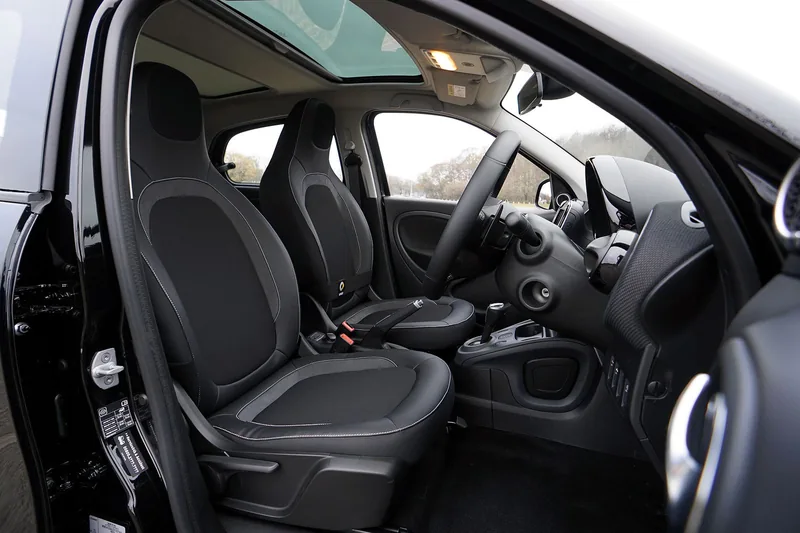
Vehicle biohazard cleanup removes bodily fluids, odor and blood from carpet, ventilation and seats.
Learn more
Owners and insurers receive cleanup records as the unit is prepared to return to rental use.
Learn moreFind the cleanup page suited to your circumstances. If the right service is unclear, you can call for guidance.
For most people, this happens only once. Your health, claim and final cleanup cost are protected by the first actions you take.
Call (888) 351-0904From the initial call through the last inspection, the biohazard cleanup process follows a consistent order designed for safety.
You explain what happened. Technicians examine and photograph the area, then confirm the work scope with you.
Technicians enclose the affected area in plastic so other parts of the property stay separated.
After infectious materials soak into carpet, pad, drywall or similar porous items, the affected pieces are removed and sealed for medical waste, so no affected material is left behind.
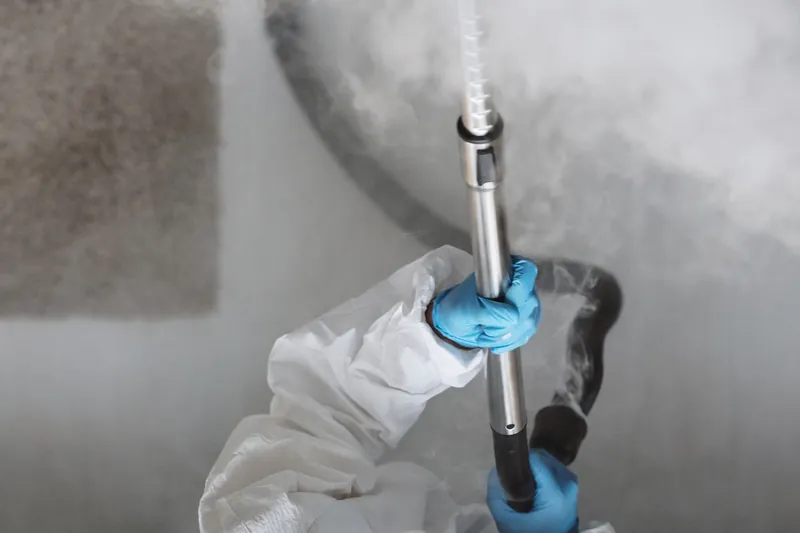
Hospital-grade disinfectant registered by the EPA is applied after all surfaces are cleaned.
Odor is treated at the source with air scrubbers, hydroxyl or ozone, and vents are checked.
Tracking paperwork follows sealed waste to a permitted facility where medical waste is treated.
A final check, with ATP testing when necessary, confirms a livable condition. You then receive records and photographs for the claim.
Removed flooring or drywall can be rebuilt by your contractor or your insurer's vendor.
The Fixr guide shows $3,000 to $5,000 as the usual national range when you hire biohazard cleanup. Different kinds of jobs carry different prices. Guides put minor blood cleanup at $500 to $2,500, with sewage backup work at $2,000 to $10,000. The final price follows an on-site assessment.
Often, it does. After a sudden death, crime or sewage backup, homeowners or renters insurance often covers biohazard cleanup minus your deductible.
Victims of violent crime can ask the Alabama Crime Victims Compensation Commission, which lists crime scene cleanup among its expense categories, whether cleanup costs can be included in a compensation claim. Insurance is usually checked first.
The estate can often cover death cleanup expenses. This is generally managed by the executor or a family member.
Sudden and accidental events are usually covered. Hoarding and long-term neglect usually are not. Check with the insurer prior to starting work.
In rental units and common areas, the owner or property manager usually arranges and pays for cleanup.
Phone support stays available. Ask a specialist to clarify the next cleanup steps for your property.
Biohazard cleanup can remain private. Unmarked vehicles and quiet work help crews keep the situation confidential from neighbors and building personnel.
A funeral home or the medical examiner or coroner takes the body away. Once the body is removed, the family or owner must clean the property; a biohazard cleanup company is the choice for most.
A biohazard is any biological material that can cause disease, such as blood, bodily fluids, tissue, human or animal waste, raw sewage and used needles.
Some remain viable for quite a while. The CDC reports that hepatitis B remains viable on surfaces for at least seven days; dried blood should therefore be handled as infectious.
A typical job requires one to three days at the site. Several days to two weeks may be needed for decomposition, major scenes or hoarding cleanouts.
You can reach someone by phone 24 hours a day, including during weekends and holidays.